Pitch & presentation coaching
Live rehearsal for the moments you're judged in person: investor pitches, board updates, sales presentations. AI can tighten your slides; it can't recreate the pressure of a real person watching, or catch the nerves, the answer that runs long, the question you sidestepped. You rehearse with someone who has heard and judged hundreds of pitches.
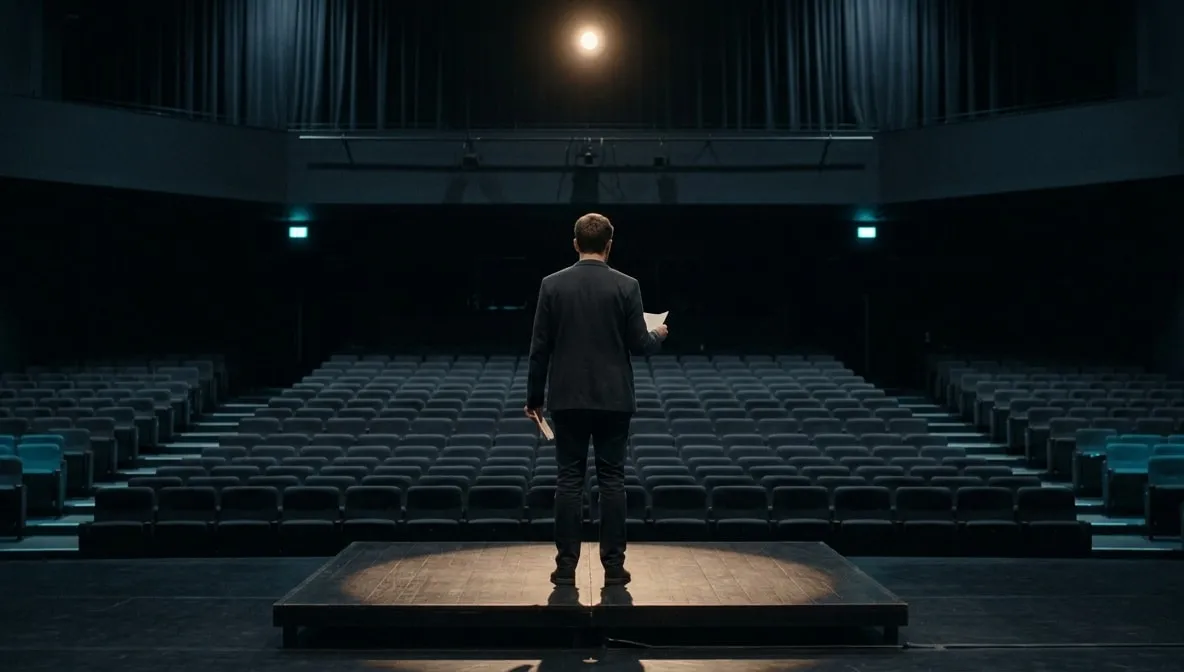
I've sat on the listening side
I've spent years inside incubators and accelerators: full pitch days, in the room with hundreds of founders presenting their companies. I've judged and scored applications on several funding programs, and I designed a process that moved companies from intake through to funding. I know what the judges are listening for, because I've been one.
They're deciding whether they believe in you and whether they trust you to execute. Impact lands. Good answers under questioning land. So do an opening that hooks the room and sets the context, validation of your claims backed by data, and a close with a clear ask.
How the rehearsal works
Have AI tighten your slides before we meet; that part it does well. The deck is a prop. The pitch is you: the delivery, the pacing, the nerves, and the questions afterwards.
You pitch live, and I respond the way your real room will: I ask the questions you're hoping nobody asks, tell you what a listener heard (which is often not what you meant), and we rework the weak moments on the spot. Then you pitch again. Rehearsing under real pressure is the training – the nerves you feel in front of a person who is genuinely judging the pitch are the same nerves you'll feel on the day, and they respond to practice.
Scaling the company is hard. Scaling yourself is harder.
A pitch is a concrete place to start: a real event, a real date, and a clear result. And if the rehearsal surfaces something bigger, that's what coaching is for. Start with a free call and tell me what you're walking into.
Book a free intro call