A while back I attended a motivational event about leadership led by a number of very successful business people. In a top-ten list of success principles, one line stopped me: “Light yourself on fire and people will come watch you burn.”
I understood the sentiment. Get fired up, work with visible passion, and your energy will attract people to follow you. But listen to what the words actually describe. A person on fire is a spectacle, and people gather around a spectacle to watch, not to go anywhere. The person at the centre of it is being consumed for the audience’s attention. There’s also a quieter suggestion of martyrdom in it: sacrifice yourself, visibly, and the crowd will validate the sacrifice. Neither of those is leadership.
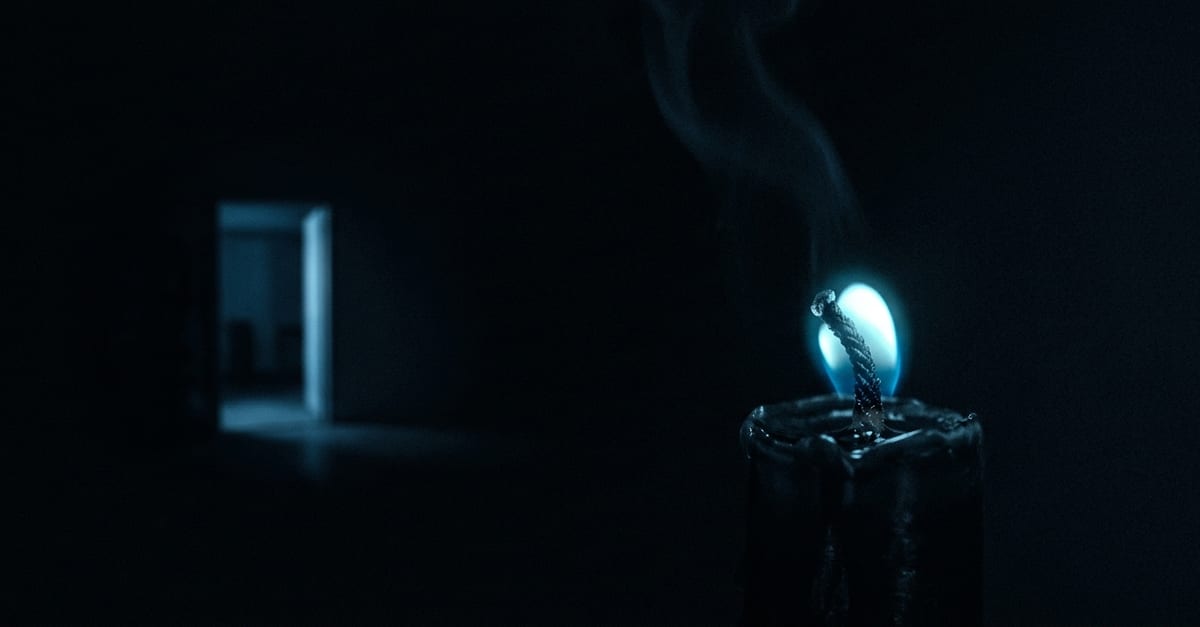
Fire itself isn’t the problem; where you put it is. There’s a better image: be the wick that hosts the flame that lights the way for others.
How do you inspire people as a leader?
You inspire people by lighting their path, not by making yourself the spectacle. Help them see further than they could on their own, point out the opportunities the light reveals, and carry the discomfort of going first. Passion attracts attention; illumination gives people somewhere to go.
What the wick actually does
Look closely at a candle. The flame gets all the attention, but the wick is doing the work. The wick isn’t the fuel: the wax is what burns, drawn up through the wick and fed to the flame. The tip chars, but the wick stays present, hosting the flame and bearing the heat. And the flame it hosts throws light well beyond itself.
Now map that onto leading people. The light is what the people around you can suddenly see: the path ahead, the option they hadn’t considered, the opportunity that fits them. The heat is what it takes to hold that position: going first, absorbing pressure, staying steady when stepping back would be easier. The two are inseparable, and that’s the point of the image. The only way a wick lights a path is by bearing the flame.
That’s why this is a picture of integrity and courage rather than charisma. Integrity, because the light is pointed at their path, not at your own visibility; nobody gathers to watch a wick. Courage, because the heat is real and you carry it on purpose, quietly, as the working condition of the role rather than as a sacrifice performed for a crowd.
What this looks like in practice
Wick leadership is specific and mostly unglamorous. When you can see further than someone on your team, say what you see: the risk they’re walking towards, the skill they’re ready for, the opening they haven’t noticed. When an opportunity appears that fits someone, name it to them directly and help them take it, even when keeping it for yourself would be simpler. Say the uncomfortable true thing first in the meeting so it becomes safe for others to say theirs. And when the week turns hard, hold steady; your people will read your state before they read your words, and steadiness is one of the most useful things you can hand them.
None of this draws a crowd, and most of it goes unwitnessed. That’s how you know it’s the wick and not the fire.
So here is the question I’d leave you with, the same one I ask the leaders I coach: whose path does your leadership light, and what heat are you willing to bear to keep it lit?
Credit to BasselsJ for the quote and inspiration.